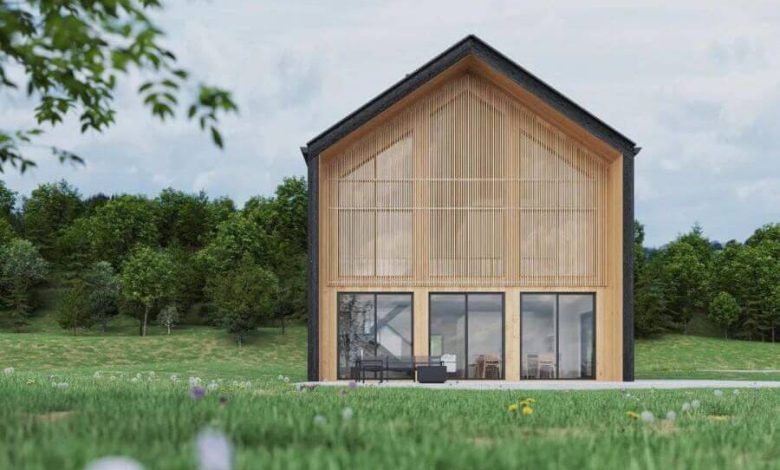
When it comes to building or renovating your home, choosing sustainable materials is one of the most important decisions you can make. As awareness of environmental issues grows, many homeowners are seeking ways to reduce their carbon footprint and make eco-friendly choices in all aspects of construction, including exterior materials. Sustainable home exterior materials not only help protect the planet but also offer long-term durability, energy efficiency, and aesthetic appeal. In this article, we’ll explore some of the best sustainable materials you can use for your home’s exterior.
1. Reclaimed Wood
Reclaimed wood is one of the most eco-friendly materials available for exterior use. It is salvaged from old buildings, barns, warehouses, and other structures, preventing the need for new timber to be cut down. Not only is reclaimed wood a great way to reduce waste, but it also adds character and warmth to your home. The unique history of each piece gives your home a one-of-a-kind look.
Why Choose Reclaimed Wood?
-
Reduces deforestation and waste.
-
Adds a unique, rustic charm to the home.
-
Durable and long-lasting if properly maintained.
2. Bamboo
Bamboo is a fast-growing, renewable resource that’s increasingly being used in construction. As one of the most sustainable materials available, bamboo grows rapidly and requires little water or pesticides. For home exteriors, bamboo can be used for siding, decking, and even fences. It has a natural, modern look that works well with a variety of architectural styles.
Why Choose Bamboo?
-
Rapidly renewable resource.
-
Strong and durable, often more so than traditional hardwoods.
-
Stylish and unique appearance.
3. Recycled Metal
Recycled metal, particularly steel and aluminum, is a highly sustainable option for home exteriors. Using recycled metal helps reduce the demand for mining and manufacturing new materials, which can be energy-intensive. Recycled metal is incredibly durable and resistant to weather, making it an excellent choice for long-lasting exteriors such as siding, roofing, and trim. Additionally, it can be fully recycled again at the end of its life.
Why Choose Recycled Metal?
-
Low environmental impact compared to newly produced metal.
-
Durable and weather-resistant.
-
Can be fully recycled again, reducing waste.
4. Fiber Cement
Fiber cement is an environmentally friendly alternative to traditional wood siding. Made from a mix of cement, sand, and cellulose fibers, it is both durable and fire-resistant. Fiber cement siding mimics the look of wood but with much less maintenance and a longer lifespan. It also offers excellent insulation properties, which can help reduce energy costs over time.
Why Choose Fiber Cement?
-
Fire-resistant and low-maintenance.
-
Long lifespan, reducing the need for frequent replacements.
-
Energy-efficient and can help lower heating and cooling costs.
5. Natural Stone
Natural stone, such as limestone, granite, and slate, has been used for centuries in construction. It is durable, timeless, and offers a high-end aesthetic that many homeowners appreciate. Stone is an energy-efficient material as it naturally regulates temperature, keeping your home cooler in the summer and warmer in the winter. Though it can be costly, the durability and longevity of stone make it a worthwhile investment.
Why Choose Natural Stone?
-
Long-lasting and requires little maintenance.
-
Naturally energy-efficient and temperature-regulating.
-
Offers a classic, elegant appearance.
6. Hempcrete
Hempcrete is a sustainable building material made from hemp fibers mixed with lime and water. While it’s primarily used for interior insulation, it can also be used for exterior walls in certain applications. Hempcrete is highly insulating, resistant to mold, and carbon-negative, making it an excellent choice for eco-conscious homeowners. Though it’s still a relatively new material, it’s gaining popularity due to its environmental benefits.
Why Choose Hempcrete?
-
Carbon-negative, helping to reduce your home’s overall carbon footprint.
-
Highly insulating and resistant to mold.
-
Durable and environmentally friendly.
7. Green Roofing
Green roofs, or living roofs, are covered with vegetation and planted over a waterproofing membrane. They are an innovative and sustainable way to enhance the exterior of your home while benefiting the environment. Green roofs help improve air quality, reduce the urban heat island effect, and provide natural insulation. In addition to their ecological benefits, they offer a unique aesthetic and can create a peaceful outdoor space.
Why Choose Green Roofing?
-
Reduces energy costs by providing natural insulation.
-
Improves air quality and supports biodiversity.
-
Unique and eco-friendly aesthetic that blends with nature.
8. Straw Bale Construction
Straw bale construction is an ancient yet innovative method of building with a modern twist. Straw bales are used as insulation within walls, and the material is highly energy-efficient. It’s not only a sustainable building option but also provides excellent soundproofing. Straw bale homes are also often much more affordable than traditional construction methods and offer a high level of comfort.
Why Choose Straw Bale?
-
Excellent natural insulation and energy efficiency.
-
Low-cost and affordable compared to traditional building materials.
-
Eco-friendly, as straw is a renewable resource.
9. Rammed Earth
Rammed earth construction uses natural materials like earth, sand, and gravel to build walls that are compacted into place. This method results in strong, durable walls that can regulate indoor temperatures naturally. Rammed earth is a low-energy, sustainable building technique that has been used for thousands of years in various parts of the world. It offers a distinctive, natural look and works well for modern and traditional homes alike.
Why Choose Rammed Earth?
-
Low environmental impact and energy-efficient.
-
Strong, durable, and long-lasting.
-
Aesthetically unique with natural textures and colors.
10. Recycled Concrete
Recycled concrete is made by crushing old concrete structures to be used in new construction. This material helps to reduce waste and the need for new concrete production, which is an energy-intensive process. Recycled concrete can be used for foundations, driveways, and even exterior cladding. It provides a rugged, industrial aesthetic that complements modern home designs.
Why Choose Recycled Concrete?
-
Reduces waste by reusing old materials.
-
Strong, durable, and suitable for various exterior applications.
-
Helps minimize the environmental impact of new concrete production.
Conclusion
When choosing exterior materials for your home, sustainability should be at the forefront of your decision-making. Not only do sustainable materials help reduce your carbon footprint, but they also provide long-lasting, durable, and energy-efficient options for homeowners. From reclaimed wood to green roofing, there are countless ways to make your home both eco-friendly and beautiful. By selecting sustainable materials, you’re not only investing in the future of your home but also in the future of the planet. So, consider these options as you plan your next home improvement project, and enjoy a more sustainable and stylish living space for years to come.