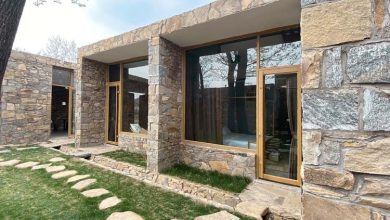
When enhancing the curb appeal of your home, achieving harmony between the front yard and exterior is crucial. A well-coordinated and cohesive design not only enhances the overall aesthetic of your property but also creates a welcoming, inviting atmosphere for both visitors and passersby. In this article, we’ll explore the various elements that contribute to front yard and exterior harmony and provide practical tips and ideas to help you achieve a beautifully balanced outdoor space.
From landscaping and hardscaping to color schemes and architectural details, there are many factors to consider when designing your front yard and exterior. By thoughtfully incorporating elements that complement each other, you can craft a visually appealing and cohesive outdoor space that reflects your personal style and enhances your home’s curb appeal.
-
Creative Exterior Lighting Ideas for Home DesignJune 5, 2025
-
Affordable Exterior Home IdeasJune 5, 2025
-
Stunning Luxury House Facade DesignsJune 5, 2025
1. Selecting the Right Plants and Trees
One of the key elements in achieving harmony between your front yard and exterior is selecting the right plants and trees. Not only should they enhance the overall aesthetic, but they should also complement the architectural style of your home. The right choices can tie the entire design together, making your outdoor space feel unified.
Tips:
-
Choose plants that align with your home’s style (e.g., traditional, modern, or cottage-style).
-
Consider the size, color, and texture of plants to balance and complement the home’s exterior.
-
Place plants strategically to enhance sightlines and architectural features, and ensure easy maintenance.
2. Incorporating Hardscaping Elements
Hardscaping elements such as pathways, driveways, and retaining walls help create a solid foundation for a harmonious exterior design. The right combination of hardscaping can balance the softness of greenery, leading to a cohesive and well-structured outdoor space.
Ideas:
-
Use stone, brick, or concrete for paths and walkways to match or contrast with your home’s materials.
-
Integrate a retaining wall or raised garden beds to organize the space and add visual interest.
-
Choose materials that complement the architectural style and color of your home.
3. Creating a Unified Color Scheme
Color plays a significant role in unifying your front yard and exterior. A well-coordinated color scheme can bring all the design elements together, making the space feel both cohesive and inviting.
Tips:
-
Choose a palette that complements your home’s exterior materials and the surrounding landscape.
-
Incorporate color through plants, flower beds, and outdoor accessories such as pillows or rugs.
-
Keep the color scheme consistent but consider using accent colors to add vibrancy.
4. Enhancing Architectural Features
Architectural elements such as doors, windows, trim, and shutters have a significant impact on the overall look of your home’s exterior. Enhancing these features can improve the visual appeal and create a more harmonious connection between the front yard and your home.
Suggestions:
-
Paint or refinish doors and trim in colors that complement the rest of your exterior.
-
Install decorative shutters or window boxes for added charm and visual interest.
-
Use architectural features to create focal points, drawing attention to the most beautiful aspects of your home.
5. Lighting and Décor
Outdoor lighting and décor can add the finishing touches to your front yard and exterior, helping to create a warm, inviting atmosphere. Thoughtfully placed lights and carefully chosen décor can make your space shine, especially in the evening.
Ideas:
-
Use outdoor lighting to highlight pathways, plants, and key architectural features.
-
Consider string lights, lanterns, or modern light fixtures to enhance the ambiance.
-
Add décor elements such as outdoor sculptures, vases, or seasonal decorations to reflect your personality.
6. Maintaining Your Front Yard and Exterior
Regular maintenance is key to preserving the harmony of your front yard and exterior. A well-maintained space not only looks better but also ensures that your design elements continue to function properly and remain visually appealing over time.
Tips:
-
Regularly trim trees and shrubs to maintain their shape and health.
-
Clean windows, trim, and surfaces to prevent dirt buildup.
-
Repaint or touch up faded areas to maintain a fresh and cohesive look year-round.
7. Designing Functional Outdoor Spaces
Incorporating functional outdoor areas that blend seamlessly with your front yard can enhance the usability and enjoyment of your space. Well-designed seating areas or outdoor entertainment spaces can help integrate your home’s exterior with your daily lifestyle.
Ideas:
-
Create a small seating area near the entrance or along a path where guests can relax and enjoy the surroundings.
-
Add an outdoor dining area or firepit to encourage social gatherings.
-
Make sure these functional spaces complement the flow of the landscape and the architectural style of your home.
8. Incorporating Water Features
Water features like fountains, ponds, or small waterfalls can create a serene and calming atmosphere. The soothing sound of water adds tranquility, while visually, it serves as a focal point in your front yard.
Tips:
-
Integrate a small fountain or birdbath into your landscaping for an elegant touch.
-
For larger spaces, consider adding a pond or a cascading waterfall to create movement and enhance the sense of relaxation.
-
Ensure the water feature complements the overall design and doesn’t overwhelm other elements.
9. Sustainable Landscaping Practices
Sustainable design practices not only benefit the environment but also enhance the overall harmony of your outdoor space. Eco-friendly landscaping techniques can help reduce maintenance needs while creating a beautiful, low-impact environment.
Suggestions:
-
Use native plants that thrive in your area, reducing the need for excessive watering or fertilizers.
-
Implement permeable paving solutions to improve drainage and reduce runoff.
-
Incorporate rainwater harvesting systems and composting to minimize your environmental footprint.
10. Seeking Professional Help
If you’re uncertain about how to achieve the perfect balance between your front yard and exterior, seeking professional help can be a valuable option. A landscape designer or architect can help you create a cohesive and thoughtfully designed outdoor space that enhances both beauty and functionality.
Benefits of Professional Assistance:
-
Expert guidance on selecting the right materials, plants, and features for your space.
-
Custom design solutions tailored to your property’s unique characteristics.
-
Ensuring that all elements of your exterior, from landscaping to architecture, come together harmoniously.
Conclusion
Achieving front yard and exterior harmony is a rewarding endeavor that can significantly enhance the overall beauty and functionality of your home. By paying close attention to the details and incorporating complementary elements, you can create a space that not only looks stunning but also feels welcoming and inviting. Whether you’re designing a front yard from scratch or updating an existing one, these tips and ideas will guide you toward creating a cohesive and visually appealing outdoor space. With thoughtful planning and design, your front yard and exterior can become a seamless extension of your home, adding charm, character, and curb appeal for years to come.