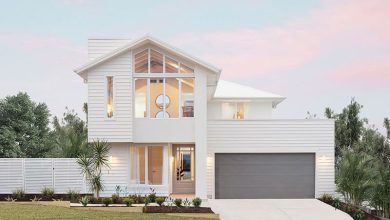
Creative Material Combinations for Stunning Exterior Walls

When it comes to designing the exterior of your home, one of the most effective ways to make a lasting impression is through the creative use of materials. Combining different materials for your exterior walls can elevate your home’s aesthetic, boost its curb appeal, and make it stand out in the neighborhood. From classic brick to modern wood and sleek metal, the right combination of materials can create a dynamic, unique look that reflects your personal style and the architectural vibe of your home.
In this article, we’ll explore some of the most creative material combinations for exterior walls, offering inspiration and practical tips to help you design a stunning and durable facade.
-
Creative Exterior Lighting Ideas for Home DesignJune 5, 2025
-
Achieving Front Yard and Exterior HarmonyJune 5, 2025
-
Affordable Exterior Home IdeasJune 5, 2025
1. Wood and Stone: A Natural Blend
Wood and stone have been used together for centuries, and for good reason. The combination of natural textures—wood’s warmth and stone’s rugged durability—creates an exterior that feels both inviting and grounded. Stone adds an element of permanence, while wood provides a soft contrast that adds warmth and organic charm.
How to Use This Combination:
-
Accent walls: Use stone for the main structure and wood for accent walls or sections of the facade to create a balanced contrast.
-
Front entryway: Wood can be used for the front door, window shutters, or decorative accents, while stone can frame the entry and provide structure.
-
Natural finishes: Choose a wood with a natural finish to allow the grain and color to stand out against the stone, creating a rustic yet elegant exterior.
This combination works particularly well for rustic, traditional, or contemporary farmhouse-style homes.
2. Brick and Metal: Industrial Chic
For a modern, urban look, combining brick with metal is an excellent choice. The classic look of brick walls pairs beautifully with the sleek, clean lines of metal, offering a striking contrast between the two materials. Brick provides texture and warmth, while metal—whether it’s steel, aluminum, or corten steel—adds an industrial touch and durability.
How to Use This Combination:
-
Metal frames: Incorporate metal framing around windows and doors or along the corners of the building to create sharp, geometric lines that contrast with the softness of brick.
-
Accent panels: Use metal panels as accent pieces on brick walls, especially on parts of the home where you want to add a modern twist.
-
Rustic industrial look: Opt for weathered or rusted metal to add a vintage, industrial feel to your home, especially when paired with traditional red or brown brick.
This combination is perfect for industrial-style homes, urban lofts, and modern homes with an edgy design.
3. Concrete and Glass: Minimalist Modern
Concrete and glass are synonymous with modern, minimalist architecture. Concrete’s raw, industrial feel paired with the transparency and lightness of glass creates a striking contrast that is both contemporary and sophisticated. The use of these materials allows for large, open spaces filled with natural light while maintaining a minimalist aesthetic.
How to Use This Combination:
-
Concrete panels with large windows: Use concrete for the main structure and install large, floor-to-ceiling windows to let in light and blur the lines between indoor and outdoor living.
-
Concrete feature walls: Create a bold statement by using concrete as the primary material for feature walls, complemented by glass balconies or railings.
-
Accent glass elements: Incorporate glass as decorative features around windows and doors, or use glass bricks for a unique textural contrast to the concrete.
This material combination works well for modern homes, contemporary urban houses, and minimalist-style facades.
4. Wood and Concrete: Warmth Meets Urban Edge
Combining the warmth of wood with the cold, industrial edge of concrete creates a sophisticated and modern exterior. Wood brings warmth and a natural element to the otherwise rigid look of concrete, making it feel more inviting and balanced.
How to Use This Combination:
-
Wooden accents on concrete walls: Use wood to break up large, monolithic concrete surfaces. Consider adding wood panels or slats along sections of concrete walls for visual interest.
-
Wooden cladding for focal points: Incorporate wood cladding on small sections of the facade to draw attention to architectural features, such as a prominent window or front door.
-
Contrasting finishes: Experiment with different finishes—use polished concrete alongside rough, weathered wood for a contrasting texture that brings depth to the design.
This combination is perfect for modern urban homes, eco-friendly designs, and homes that blend industrial with natural elements.
5. Stucco and Stone: Timeless Elegance
Stucco and stone offer a timeless and elegant combination that works particularly well for Mediterranean or Spanish-style homes. Stucco’s smooth, refined appearance complements the textured, rugged surface of stone, creating a balanced and visually appealing exterior. The contrast between the two materials also brings out the best in both.
How to Use This Combination:
-
Stone as a base: Use stone for the lower portion of the walls or as an accent along the foundation, while stucco can cover the rest of the exterior for a smooth and polished finish.
-
Stucco columns with stone accents: Incorporate stone accents around windows or doors and combine them with stucco columns for a classic Mediterranean look.
-
Textured finishes: Use textured stucco to create visual interest alongside natural stone surfaces, adding dimension to the facade.
This combination is ideal for homes inspired by Mediterranean, Spanish Revival, or Tuscan architecture.
6. Wood and Aluminum: Sleek and Sustainable
The combination of wood and aluminum creates a contemporary, sustainable exterior that blends organic warmth with modern industrial aesthetics. Wood adds character and a natural touch, while aluminum offers a sleek, durable option that’s also lightweight and sustainable.
How to Use This Combination:
-
Aluminum panels with wood accents: Use aluminum for larger sections of the facade, such as the upper floors or roofing, and complement with wood accents around windows, doors, or the front porch.
-
Wood cladding with aluminum trim: For a clean, modern look, combine wood cladding with slim aluminum trim around the edges of the facade or windows.
-
Contrast finishes: Experiment with natural, unfinished wood paired with matte or brushed aluminum for a sleek, sustainable aesthetic.
This material combination is perfect for eco-conscious homes, contemporary designs, and buildings looking for a balance of warmth and industrial chic.
7. Ceramic Tiles and Concrete: Modern and Durable
Ceramic tiles paired with concrete create a durable, low-maintenance, and modern exterior. Ceramic tiles are available in a wide range of styles and textures, allowing you to choose from sleek, contemporary designs to more traditional or rustic looks. Concrete, on the other hand, provides structure and stability, making this combination both practical and visually appealing.
How to Use This Combination:
-
Ceramic tile accent walls: Use ceramic tiles as an accent material on sections of concrete walls to add color, texture, and visual interest.
-
Patterned tiles with concrete foundation: Choose patterned or textured ceramic tiles for parts of the facade, such as around windows or door frames, to create a unique contrast with smooth concrete surfaces.
-
Neutral tones: For a more subdued design, use neutral ceramic tiles in shades of gray, beige, or white to blend seamlessly with the gray concrete.
This combination is ideal for contemporary homes and modern urban designs that prioritize durability, low-maintenance features, and style.
Conclusion
Combining different materials for your home’s exterior can create a unique and visually striking facade that reflects your personal style and enhances your home’s curb appeal. From the natural beauty of wood and stone to the sleek industrial look of concrete and glass, there are countless ways to experiment with materials and design elements to achieve the perfect balance of form and function. Whether you prefer a timeless, classic aesthetic or a modern, bold look, creative material combinations can transform your home into a beautiful and lasting statement.